High-mileage diesel trucks can run for a long time, but they usually stop being forgiving. Small changes in oil quality, fuel delivery, or cooling efficiency can start showing up as rough starts, extra smoke, sluggish power, or higher temps under load. The best approach is to stay ahead of the systems that create expensive chain reactions.
This checklist focuses on the areas that tend to determine whether a high-mileage diesel stays dependable.
Fuel Quality And Filtration First
On high-mileage diesels, fuel cleanliness is everything. A slightly restricted fuel filter can cause low power, hard starts, and extra stress on the injection system, especially under load. If water separation is part of your setup, that drain routine matters more than most people think.
We’ve seen many drivability complaints traced back to overdue or incorrect fuel filters. Plan fuel filter changes around your use, not just a calendar reminder, since towing and heavy hauling can accelerate restriction. If you buy fuel from varied sources, tighten up the interval and keep notes so you can spot patterns.
Oil Service That Protects The Hard Parts
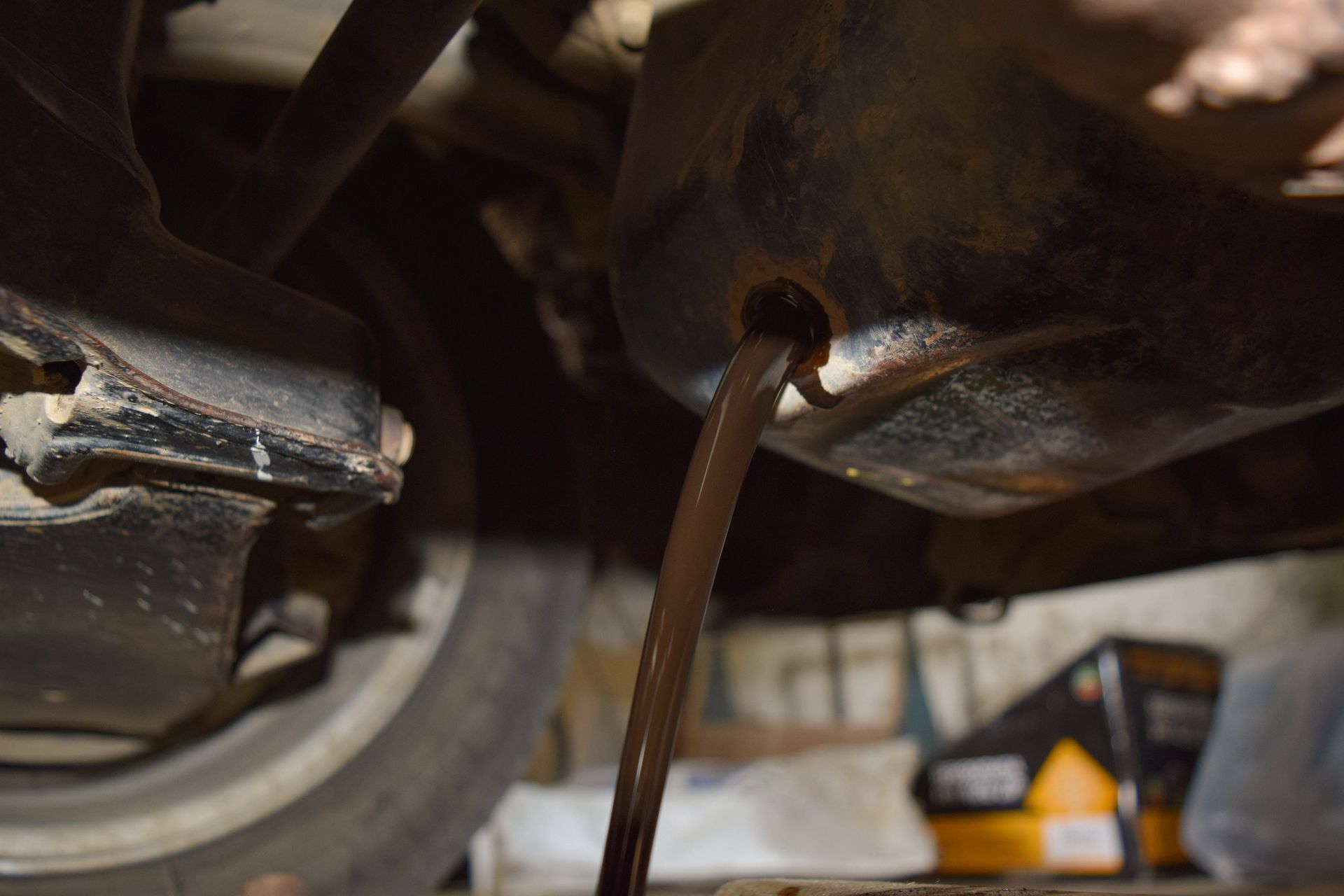
Diesel oil does more than lubricate, it also carries soot and manages heat. As miles climb, keeping the correct oil spec and change interval becomes a big deal for turbos, bearings, and valvetrain components. If the oil level is dropping between changes, that is information, not a nuisance.
Make oil checks part of regular maintenance, especially if the truck works for a living. A slow leak, consumption, or a breather issue can gradually lower the level and reduce protection. Staying consistent here is one of the cheapest ways to avoid problems that feel sudden later.
Cooling System Checks That Prevent Heat Damage
High-mileage trucks often run hotter under the same workload because small restrictions add up. Radiators collect debris, coolant passages build deposits, and thermostats and caps age quietly. If the truck is working hard, the cooling system has to be at full strength, not barely hanging on.
Pay attention to coolant condition, not just level. If the coolant looks rusty, muddy, or has oily residue, it is worth checking the system before you assume it is only old coolant. Hoses, clamps, and the water pump area also deserve a close look because a small seep can turn into a big loss on a long drive.
Airflow, Boost, And Turbo Health
Air restriction is an easy way to lose power without a clear fault. A dirty air filter, cracked intake boot, or loose clamp can affect boost and create odd symptoms that come and go. On high-mileage setups, tiny leaks matter more because the system has less margin.
The turbo itself needs clean oil and stable airflow to stay healthy. If you notice a change in spool sound, new whistling, or oil residue around charge pipes, do not ignore it. A quick check of piping, clamps, and the intercooler area can prevent a minor seep from becoming a bigger boost issue.
EGR And Aftertreatment Items Worth Watching
High-mileage diesels often deal with carbon buildup and soot-related restrictions. EGR components can stick, and sensors can drift, which can lead to reduced power or frequent regen cycles. It is not always dramatic, but it can slowly impact fuel economy and drivability.
Aftertreatment systems add their own maintenance reality. If regens are getting more frequent, taking longer, or failing, something upstream may be contributing, like fueling, airflow, or sensor accuracy. A careful inspection of the full picture is usually more useful than swapping one part and hoping it sticks.
Drivetrain Fluids And Chassis Wear Points
Engines get the attention, but high-mileage trucks also suffer when driveline fluids are ignored. Transmission fluid, transfer case fluid, and differential fluid all degrade with heat and load, and that wear is expensive once it starts. If shifts change, towing temps rise, or you feel a shudder under load, those fluids deserve a closer look.
Chassis wear sneaks up too. Steering joints, ball joints, u-joints, and suspension bushings can loosen gradually, then suddenly feel sloppy on the highway. Keeping the truck tight and stable also protects tires, reduces vibration, and helps prevent secondary wear elsewhere.
A Simple Checklist To Keep On Hand
This is the kind of checklist you can review every few weeks, then use to plan services before they become urgent. It is also a solid way to communicate what you see and hear when you bring the truck in. If you keep notes on mileage and changes, the patterns get easier to catch.
- Check the engine oil level and look for fresh wet spots underneath
- Drain the fuel water separator if equipped, and replace fuel filters on schedule
- Inspect intake boots, clamps, and charge pipes for oil residue or looseness
- Check coolant level and condition, and look for seepage at hoses and the water pump
- Watch for changes in regen behavior, warnings, or unusual exhaust smell
- Verify battery and charging health, since weak voltage can create false issues
- Listen for new driveline noises and check u-joints for play if vibration starts
- Check tire wear patterns and steering feel, since alignment shifts can signal worn parts
One quick walkaround each month can save you from chasing problems later. If something changes, get it looked at while it is still a small adjustment instead of a major repair. That is where a focused inspection pays off.
Get Diesel Truck Maintenance In Leesburg, FL With DMR Diesel Repair
If your high-mileage truck is due for a plan that matches how it works, DMR Diesel Repair can help you prioritize the right services and catch small issues before they stack up.
Book a visit today and we will take care of the rest.