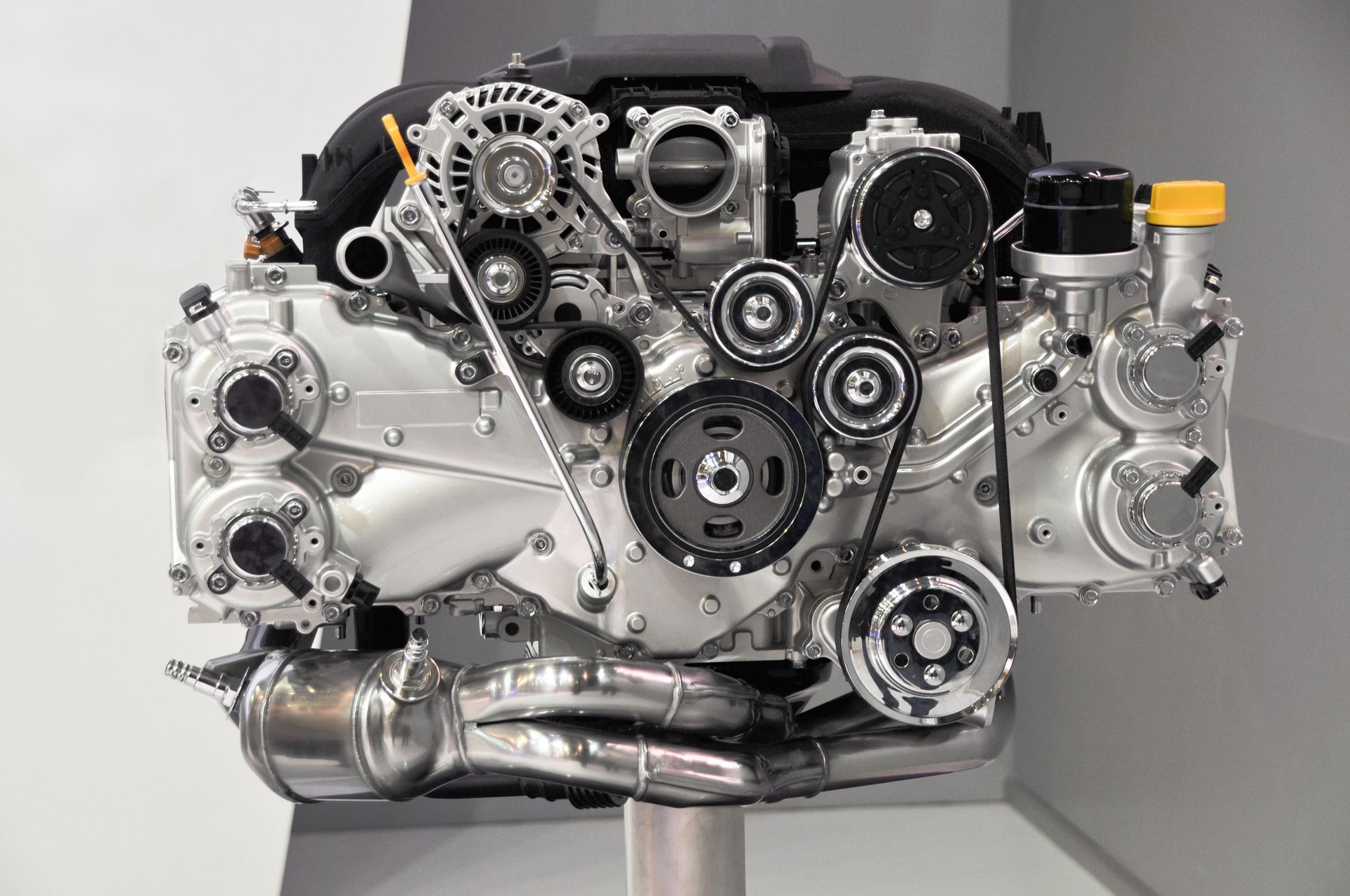
A check engine light can feel vague in the worst way. The car still starts, still drives, and sometimes seems completely normal, yet that light stays on, keeping you wondering what changed. Some causes are minor. Others are at an early stage of a problem that becomes much more expensive if left unaddressed.
The light is not guessing. The car has already seen something it does not like.
Why The Check Engine Light Comes On
Your vehicle’s computer tracks fuel control, ignition performance, emissions equipment, and sensor readings every time you drive. When one of those readings moves far enough out of range, it stores a fault and turns on the warning light. That does not always mean the car is about to stop running. It means the system has found a problem worth attention.
A proper inspection is what tells you whether the fault is minor, developing, or already affecting how the engine runs.
1. Loose Or Failing Gas Cap
A loose gas cap is one of the simplest reasons the check engine light turns on. If the cap is not sealing correctly, the evaporative emissions system can detect a leak and set a fault. The car may drive perfectly fine, which is why this one confuses so many drivers.
Sometimes tightening or replacing the cap solves it. Other times, the code points to a larger EVAP issue instead.
2. Faulty Oxygen Sensor
An oxygen sensor helps the engine computer manage the air-fuel mixture. When it starts reading poorly or responding too slowly, fuel control drifts, and the check engine light comes on. Fuel economy often slips before drivers connect the change to the sensor.
Leave it alone too long, and the catalytic converter can end up working harder than it should.
3. Failing Ignition Coil Or Worn Spark Plugs
Ignition trouble is another common reason. A weak coil or worn spark plug can cause a misfire, rough idle, hesitation, or a light that flashes under load. Some vehicles misfire badly enough that the driver feels it right away. Others hide it longer than expected.
A misfire should not be delayed. Once raw fuel starts moving into the exhaust, the repair can spread beyond the original ignition problem.
4. Mass Airflow Sensor Problems
The mass airflow sensor measures the amount of air entering the engine. If it gets dirty or starts failing, the computer can no longer balance the mixture correctly. The car may feel sluggish, hesitate on acceleration, or use more fuel than it should.
This is one of those faults that can look bigger than it is because the whole engine starts to feel less sharp.
5. EVAP System Leaks
The EVAP system stores fuel vapors and returns them to the engine rather than letting them escape. Small leaks in hoses, purge valves, vent valves, or related components can trigger the check engine light without creating an obvious drivability issue.
That is why a car can seem fine and still have an emissions fault. The light reacts to what the system sees, not just what the driver can feel.
6. Catalytic Converter Problems
A failing catalytic converter can trigger the check engine light due to efficiency and oxygen sensor faults. In some cases, the converter itself is the problem. In others, it has been damaged by another issue that went unaddressed for too long, such as a misfire or a rich-running condition.
You will notice weaker acceleration, increased fuel consumption, or a sulfur smell. If you have already reached this point, the repair won't be inexpensive.
7. Vacuum Leaks
A vacuum leak lets extra air enter the engine where it should not. That can upset fuel trims enough to trigger the light and create rough idle, hesitation, or unstable running. Small leaks are easy to miss because they do not always cause obvious symptoms at first.
On modern vehicles, even a modest air leak can cause enough trouble to set error codes quickly.
8. Sensor Or Electrical Faults
Modern cars rely on a long list of sensors and electrical inputs. Coolant temperature sensors, throttle position sensors, crank sensors, wiring faults, and connector problems can all trigger the light. Some create obvious drivability trouble. Others first appear as a warning light, then as a symptom later.
That is why reading the code is only the start. The code tells you where to look, not always which part to replace.
What Drivers Should Do Next
A few smart steps help before the appointment:
- Pay attention to whether the light is steady or flashing
- Notice any rough idle, hesitation, or fuel economy drop
- Do not keep clearing the light and hoping it stays off
- Get the vehicle scanned before the issue spreads
A flashing light is far more urgent than a steady one. That usually points to an active misfire and a much higher risk of catalytic converter damage.
The check engine light covers a wide range of problems, but one thing stays the same: it came on for a reason. The sooner that reason is confirmed, the easier it is to keep the repair focused.
Get Check Engine Light Service In Leesburg, FL, With DMR Diesel Repair
If your check engine light is on and you want a clear answer before the problem gets worse, DMR Diesel Repair in Leesburg, FL, can inspect the vehicle, read the stored faults, and pinpoint what is triggering the warning.
Bring it in while the issue is still easier to diagnose and less expensive to correct.