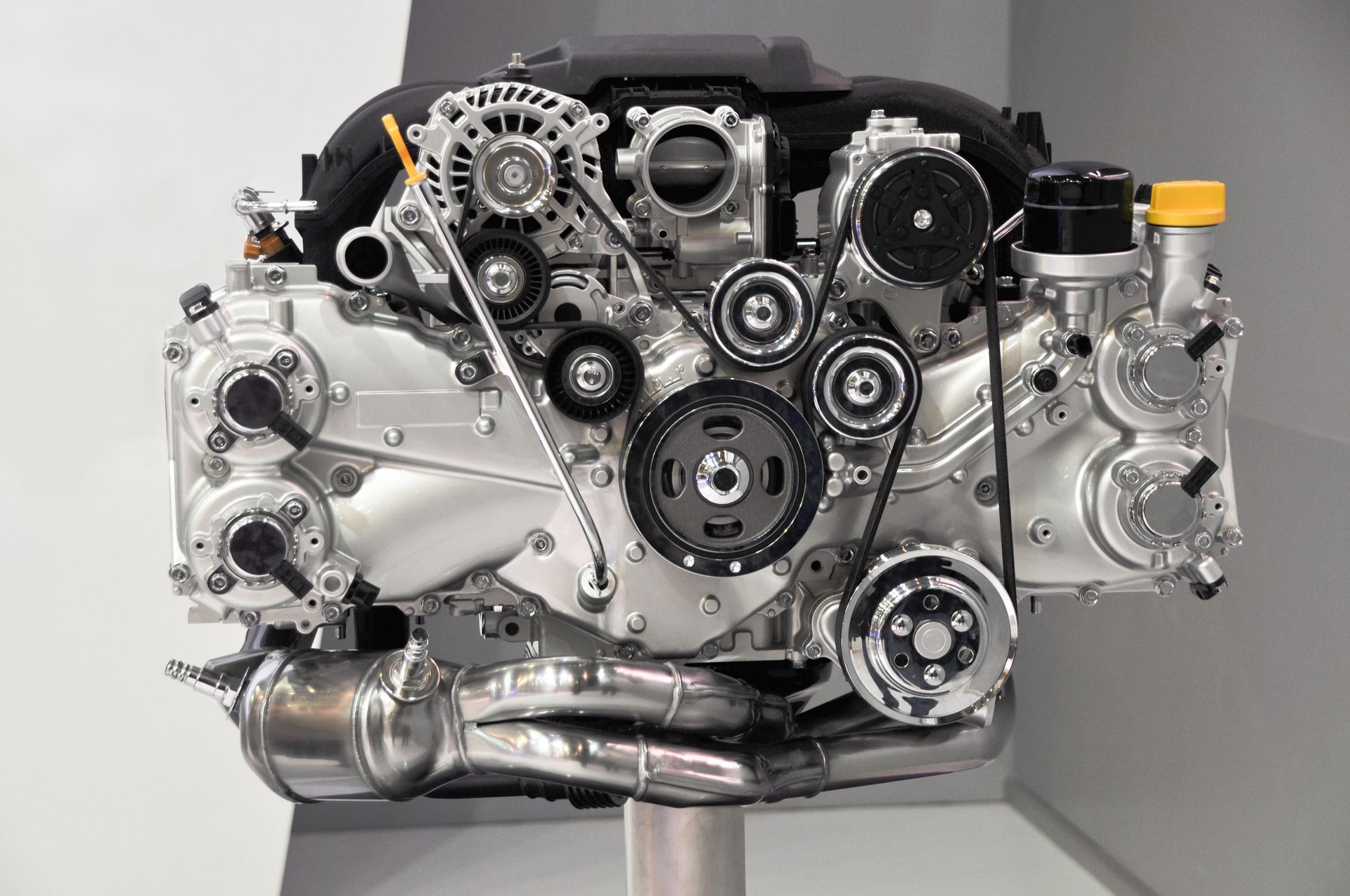
Diesel engines have a different kind of personality. They sound different, pull differently, and are often built for heavier work than the average gas engine. That does not make them mysterious, but it does mean they need a different repair approach.
A diesel engine is not just a gas engine with a different fuel.
The combustion process, fuel system, compression, turbocharging, emissions equipment, and maintenance needs all affect how problems manifest. A repair shop has to understand those differences before making the right call on testing, service, or repair.
Diesel Engines Use Compression Differently
Gas engines use spark plugs to ignite the air-fuel mixture in the cylinder. Diesel engines do not use spark plugs for combustion. Instead, they compress air until it gets hot enough for diesel fuel to ignite when it is injected.
That higher compression is one reason diesel engines are known for strong torque. It is also why diesel engine repair often involves different testing. Compression, injector timing, glow plug operation, fuel pressure, and air management can all affect how the engine starts and runs.
A hard start on a diesel may not have the same cause as a hard start on a gas vehicle. The symptoms can feel similar, but the systems behind them are different.
Fuel Systems Operate Under High Pressure
Modern diesel fuel systems operate at very high pressure. The injectors and high-pressure pump must deliver fuel with precise timing and volume. Small problems in that system can create rough running, smoke, low power, hard starts, or warning lights.
Diesel fuel also needs to stay clean. Dirt, water, or poor-quality fuel can damage expensive parts. A neglected fuel filter can create trouble faster than many drivers expect.
Common diesel fuel system concerns include:
- Clogged or overdue fuel filters
- Water contamination in the fuel
- Weak high-pressure fuel pump performance
- Injector wear, leakage, or poor spray pattern
- Air enters the fuel system through leaks
These parts should be tested carefully. Replacing injectors or pumps without confirming the cause can turn into a costly mistake.
Turbochargers Are Common On Diesel Engines
Many diesel engines use turbochargers to make power efficiently. The turbo forces more air into the engine, helping the diesel burn more effectively and produce strong torque.
Turbo problems can show up as low power, black smoke, whistling, oil leaks, boost codes, or poor acceleration. A boost leak from a cracked hose or loose clamp can feel like a bad turbo, even when the turbo itself is still working.
That is why an inspection should include the air intake system, charge pipes, intercooler, sensors, and exhaust side before blaming the turbo. Clean oil is also important because the turbo depends on steady lubrication and cooling.
Diesel Emissions Systems Add Complexity
Gas engines have emissions systems too, but modern diesel emissions equipment can be especially complex. Depending on the vehicle, a diesel may use EGR, DPF, DEF, SCR, NOx sensors, exhaust temperature sensors, and pressure sensors.
These systems help reduce emissions, but they also require the engine to run correctly. A fuel problem, boost leak, coolant issue, or excessive idling can affect emissions performance and trigger warning lights.
A diesel particulate filter (DPF) can become restricted if regeneration is not performed properly. DEF system faults can lead to countdown warnings or reduced power. These are not problems to clear and ignore because the system usually needs a real fix before the warning stays gone.
Smoke Can Tell Part Of The Story
Diesel exhaust smoke can give useful clues. It does not identify the failed part on its own, but it can help guide the inspection in the right direction.
Black smoke often points to too much fuel, low boost, restricted airflow, or injector issues. White smoke can involve fuel timing, cold combustion, coolant intrusion, or incomplete combustion. Blue smoke usually means the engine is burning oil.
The timing of the smoke is important. Smoke at startup, under load, during acceleration, or after idling can each point to different causes. A diesel technician will look at the full pattern, not only the color.
Maintenance Needs Are Different Too
Diesel engines often work harder than gas engines, especially in trucks used for towing, hauling, idling, or long-distance driving. That changes how regular maintenance should be handled.
Oil changes, fuel filters, air filters, coolant condition, belts, hoses, and emissions system checks all need close attention. Diesel oil handles soot, heat, and heavy loads. Fuel filters protect parts that are expensive to replace. Cooling system health is also important because diesel engines can create serious heat under load.
Waiting too long on basic service can lead to rough running, low power, overheating, turbo wear, injector trouble, or emissions faults.
Diesel Diagnostics Require The Right Information
A diesel engine warning light should not be diagnosed with gas-engine habits. The scan data, fuel pressure readings, boost data, exhaust temperature readings, injector balance information, and emissions data all help build the repair plan.
The code is only the beginning. A low boost code may come from a leak, sensor issue, turbo control problem, exhaust restriction, or engine performance concern. A fuel code may involve pressure, volume, wiring, contamination, or a failing component.
Good diesel repair connects the symptom, scan data, hands-on testing, and service history. That is how you avoid replacing parts that were only reacting to another problem.
Get Diesel Engine Repair In Leesburg, FL, With DMR Diesel Repair
If your diesel has hard starts, smoke, low power, warning lights, fuel system concerns, turbo issues, or emissions problems, DMR Diesel Repair in Leesburg, FL, can inspect the engine and find the cause.