A rough start and poor fuel economy can be easy to blame on age, weather, or a bad tank of fuel. The car still runs, so the problem gets pushed to next week. Then the starts get longer, the idle feels uneven, and the fuel gauge seems to move faster than it used to.
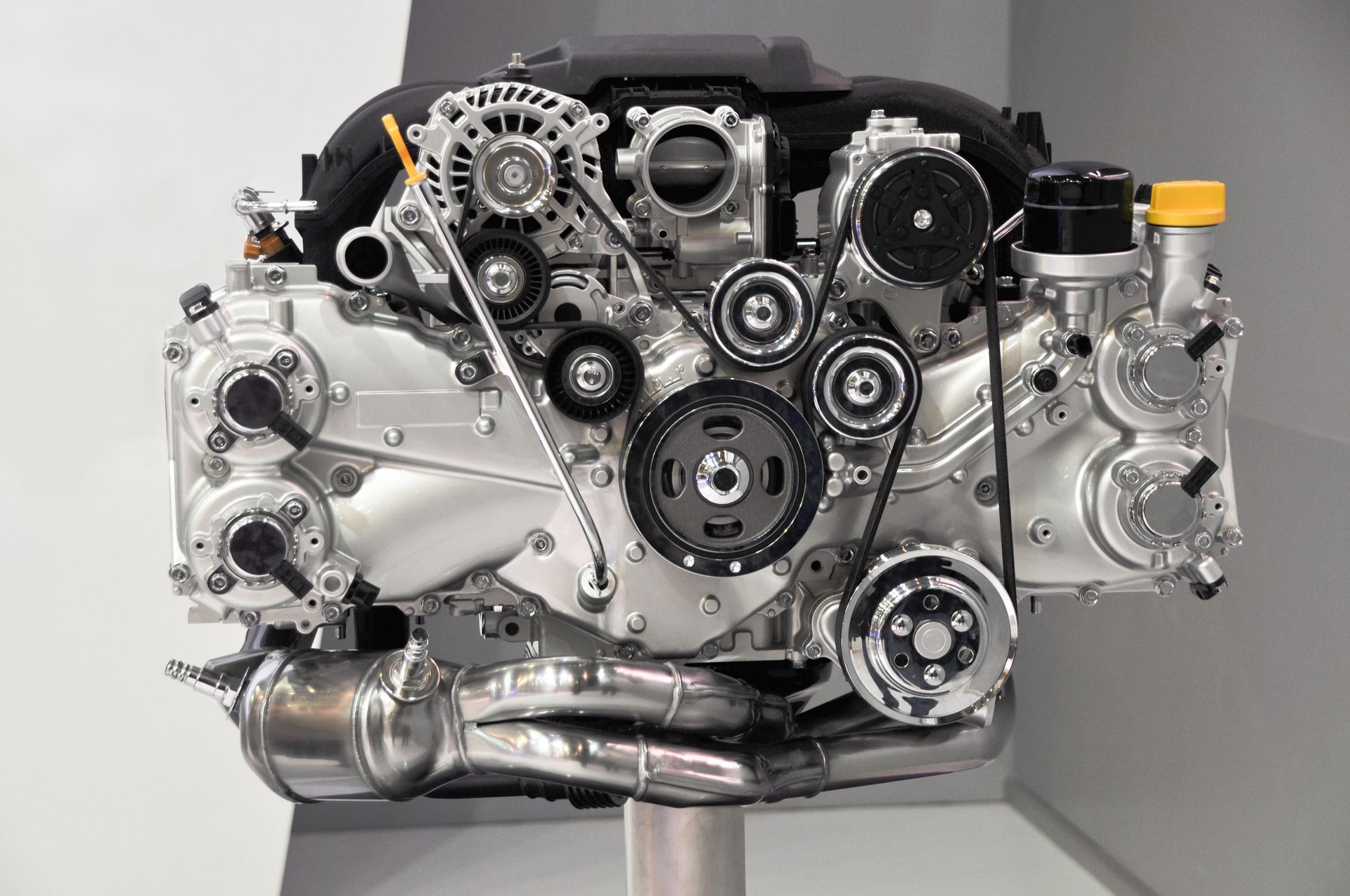
Those symptoms can be early clues that the engine needs attention. A modern engine tune-up is not the same as the old one-size-fits-all service from decades ago. Today, it means checking the parts and systems that affect starting, fuel use, combustion, airflow, and drivability.
1. The Engine Cranks Longer Than It Used To
A healthy engine should start without a long struggle. If it cranks several times before firing, something may be off with fuel delivery, ignition, air intake, battery power, or sensor readings. The delay may be short at first, but it can become more noticeable over time.
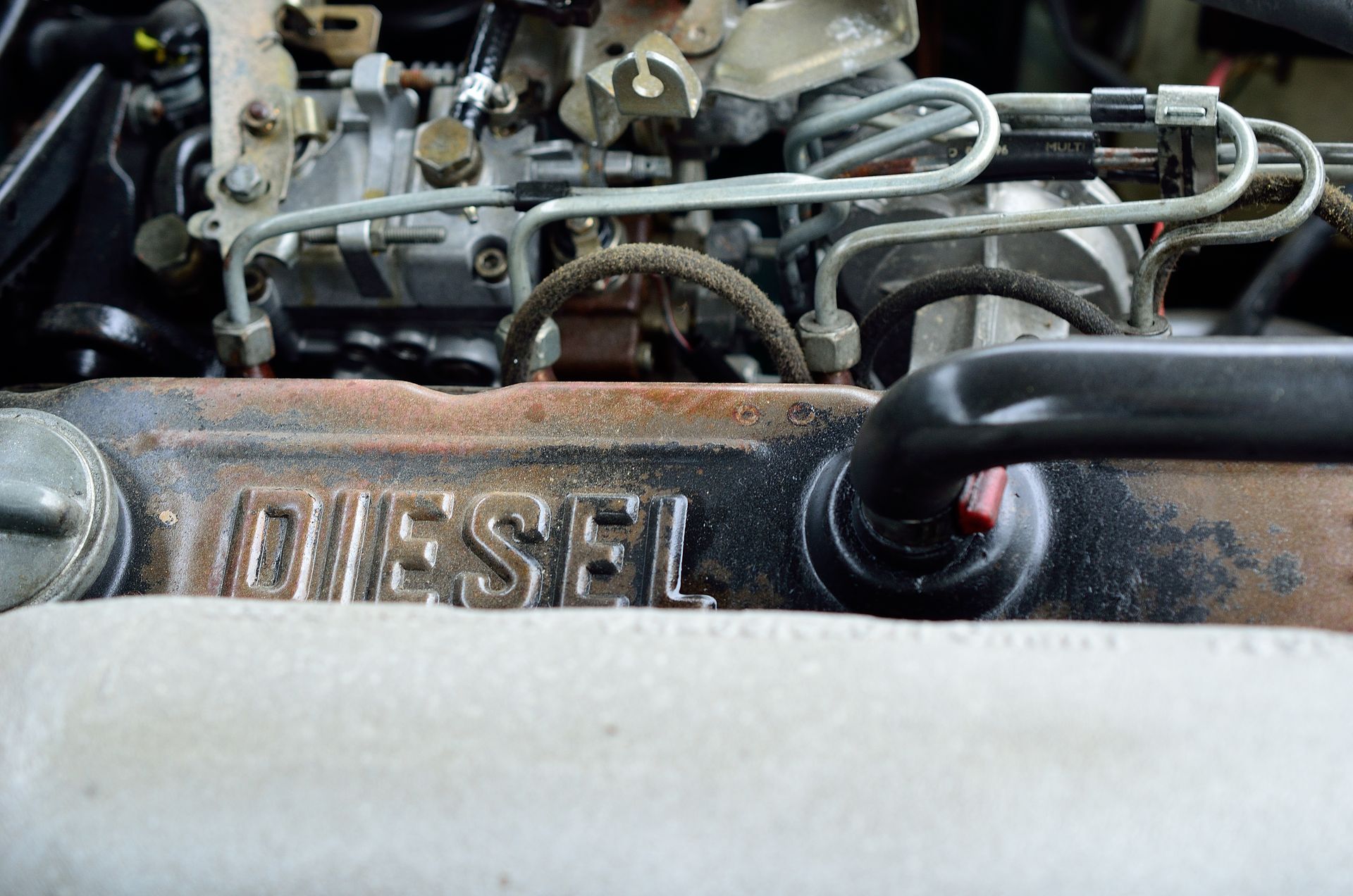
Long cranking can be caused by worn spark plugs, weak ignition coils, fuel pressure loss, dirty injectors, a tired battery, or a sensor sending the wrong information. On diesel engines, glow plug issues, fuel quality, or air in the fuel system can also play a role. The starting pattern helps narrow down where to look.
2. Rough Starts That Clear Up After A Minute
Some engines start rough, shake briefly, then settle down. Drivers often ignore this because the engine eventually runs normally. That rough first minute still matters.
A rough start can point toward spark plug wear, injector problems, carbon buildup, vacuum leaks, fuel delivery concerns, or temperature sensor issues. If the engine runs poorly only at startup, the computer may be adjusting once it gets better information. That does not mean the problem is gone. It means the engine is working around it.
3. Fuel Economy Keeps Dropping
Bad fuel economy is one of the most common signs of a tune-up needed. The change may be gradual enough that you do not notice it until you are filling up more often. A few miles per gallon lost here and there can add up fast.
Poor fuel economy can come from worn spark plugs, dirty filters, dragging brakes, low tire pressure, sensor issues, fuel injector trouble, or a thermostat that keeps the engine from reaching the right temperature. Regular maintenance helps catch those small causes before they turn into a costly pattern at the pump.
4. The Engine Hesitates When You Accelerate
An engine that hesitates, stumbles, or feels lazy when you press the gas may not be burning fuel cleanly. The issue might show up when merging, climbing a hill, pulling away from a stop, or trying to pass. Light hesitation can feel minor, but it usually points to something the engine is struggling to correct.
Common causes include dirty airflow sensors, clogged filters, weak spark, worn plugs, injector issues, fuel pressure problems, or intake leaks. A proper inspection can compare symptoms with live engine data, fuel trim, airflow readings, and ignition performance, rather than replacing parts too quickly.
5. The Idle Feels Uneven At Stops
A rough idle can make the steering wheel, seat, or dashboard shake while the vehicle is stopped. It may be worse with the A/C on, after the engine warms up, or when the vehicle is in gear. Sometimes the rpm moves slightly up and down.
Idle issues can come from dirty throttle components, vacuum leaks, worn ignition parts, fuel injector problems, engine mounts, sensor faults, or carbon buildup. A tune-up check should not only look at plugs and filters. It should also look at how the engine breathes, fuels, and responds at low speed.
6. Warning Lights Or Misfire Codes Appear
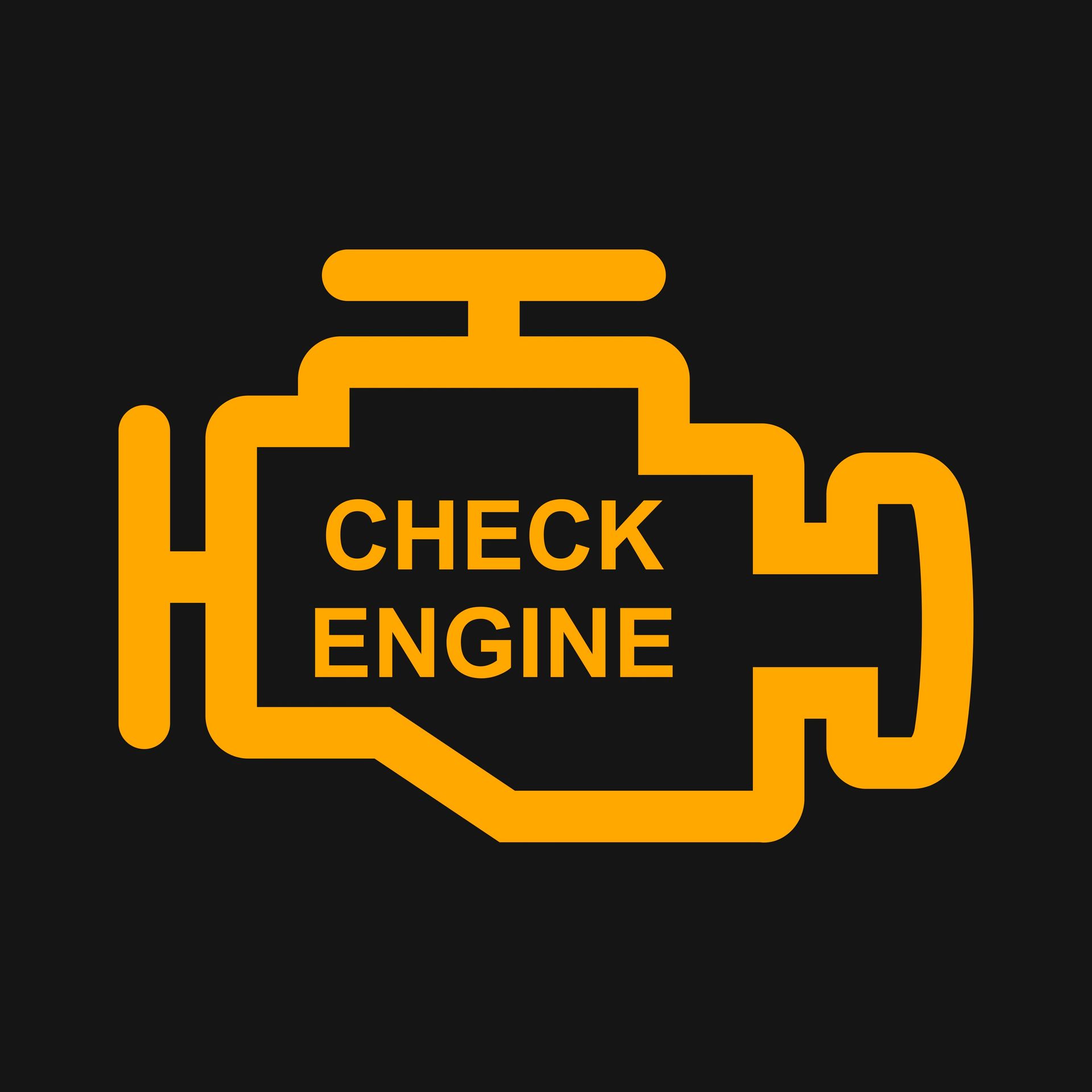
A check engine light can turn on when the engine detects misfires, fuel mixture problems, airflow issues, oxygen sensor faults, or emissions concerns. If the light flashes, the issue needs immediate attention, as an active misfire can damage the catalytic converter.
A code is helpful, but it does not tell the whole story. A misfire code could be caused by a spark plug, coil, injector, compression issue, wiring fault, or air leak. A tune-up should be based on testing, not just the code name. That is how you avoid replacing good parts while the real problem stays hidden.
Why A Modern Tune-Up Starts With Testing
A good engine tune-up is not just a parts list. It should begin with checking the condition of the vehicle and the symptoms the driver is noticing. That may include spark plugs, filters, ignition coils, fuel system operation, battery condition, intake parts, sensors, fluids, and stored codes.
The goal is simple: help the engine start cleanly, idle evenly, use fuel properly, and respond the way it should. If a small tune-up item is overdue, handling it early can prevent extra stress on the engine and emissions system.
Get Engine Tune-Up Service In Leesburg, FL, With DMR Diesel Repair
If your vehicle has rough starts, poor fuel economy, hesitation, a rough idle, or warning lights, DMR Diesel Repair in Leesburg, FL, can inspect the engine and explain which service makes sense.
For engine tune-up service that starts with clear testing and practical answers,
contact us to schedule an appointment.