Shopping for a used car often means comparing vehicles with very different backgrounds. One may have belonged to a single owner who kept every receipt. Another may have passed through several drivers before reaching the dealership. Then there are former rental cars, which usually come with attractive pricing, newer model years, and a history that makes some buyers nervous.
At our shop, we hear strong opinions about rental vehicles. Some drivers believe every rental car has been abused from the moment it left the lot. Others see a newer vehicle with a maintenance record and a lower price than comparable privately owned models. The truth is somewhere between those extremes.
Buying an ex-rental car can be a reasonable decision, but the vehicle should be evaluated carefully. Rental history alone does not make a car unreliable. It does mean you need to look closely at how the vehicle was maintained, how much wear it has, and whether the price reflects its previous use.
Why Former Rental Cars Can Be Appealing
Rental companies often sell vehicles after only a few years of service. As a result, shoppers may find a relatively recent model with modern safety equipment, updated technology, and fewer years of environmental exposure than an older used car.
Pricing can also be competitive. A former rental car may cost less than a similar vehicle advertised as a one-owner personal car. Rental companies need to move large numbers of vehicles out of their fleets, so they may price them to sell without the same emotional attachment a private owner might have.
Many rental vehicles also accumulate highway miles. Highway driving can be easier on certain vehicle components than repeated short trips because the engine spends more time at normal operating temperature and experiences fewer cold starts. The mileage number may look high for the age, but mileage alone does not explain how hard the car’s life has been.
Rental Companies Usually Follow Maintenance Schedules
Large rental fleets cannot afford to have cars constantly breaking down and leaving customers stranded. Most established rental companies have maintenance systems that track oil changes, tire service, inspections, recalls, and mechanical repairs.
A documented fleet maintenance history can be valuable. It may show that the car received regular service even though many different people drove it. In some cases, the records are more complete than what comes with a privately owned used vehicle.
Maintenance quality can vary between companies and locations, however. Some services may have been performed in-house, and the records may only provide basic details. Ask for every available invoice, inspection sheet, and service entry so you can compare the paperwork with the current condition of the vehicle.
The Biggest Concern Is How Many People Drove It
The average personal vehicle may have one or two regular drivers who become familiar with its sounds, controls, and maintenance needs. A rental car may have been driven by hundreds of people with very different habits.
Some renters are careful. Others accelerate aggressively, hit curbs, slam on the brakes, overload the trunk, or ignore warning lights because the vehicle does not belong to them. Drivers may also be unfamiliar with the car and operate controls roughly or scrape wheels while parking.
A rental vehicle does not automatically suffer serious damage from these habits, but the possibility of inconsistent treatment is greater. The inspection should pay special attention to items affected by rough use, including tires, brakes, wheels, suspension, steering, transmission behavior, and interior controls.
Cosmetic Wear Can Reveal A Lot
A former rental car may have more small dents, scratches, wheel damage, and interior wear than another vehicle of the same age. Cosmetic flaws are not always a reason to walk away, especially if the price reflects them, but they can reveal how the car was treated.
Look at the wheels for heavy curb rash. Check the front and rear bumpers for mismatched paint, loose trim, or uneven panel gaps. Inspect the doors, mirrors, cargo area, seats, buttons, cupholders, and charging ports.
A freshly detailed interior can still hide wear. Test every switch and electronic feature rather than assuming it works because the cabin looks clean. Power outlets, USB ports, windows, seat adjustments, infotainment controls, climate settings, and backup cameras should all be checked during the evaluation.
Tires And Brakes May Have Seen Heavy Use
Rental cars often operate in cities, airports, vacation areas, and unfamiliar neighborhoods. Frequent stops, hard braking, tight parking, and curb contact can be tough on tires and brake components.
Check whether all four tires match. Mixed brands or noticeably different tread depths may indicate that tires were replaced individually as needed rather than as a balanced set. Uneven tread wear may point to alignment or suspension problems.
Brake condition also deserves attention. Listen for grinding, squealing, or scraping. Notice whether the steering wheel shakes while braking or the vehicle pulls to one side. A pre-purchase inspection can measure brake pad thickness and examine the rotors rather than relying only on how the car feels during a short test drive.
Accident History May Not Tell The Whole Story
Vehicle history reports are helpful, but they do not capture every dent, repair, or collision. Minor accidents may have been handled without an insurance claim, especially when a rental company manages its own fleet repairs.
Inspect the paint under natural light and look for differences in color, texture, or shine between panels. Overspray near trim, uneven body gaps, missing fasteners, and new parts beside heavily worn ones can indicate previous repair work.
A professionally repaired minor accident does not necessarily make the car a bad purchase. Poor body repairs, hidden structural damage, or unresolved alignment problems are much more concerning. An independent inspection can help separate harmless cosmetic history from repairs that may affect safety or long-term reliability.
The Interior May Have A Harder History
Rental vehicles carry luggage, families, business travelers, pets, food, and plenty of spilled drinks. Even when the engine and transmission are healthy, the interior may have received years of concentrated use in a short period.
Check for moisture smells, stained carpeting, broken seat hardware, damaged seat belts, loose trim, and signs of smoking. Run the climate control at different fan speeds and temperatures. A strong fragrance may have been used to cover smoke, mildew, or another odor.
Interior condition matters because replacing screens, climate control panels, seat components, and electronic switches can become expensive. Small annoyances are easier to accept before buying than after the first repair bill arrives.
Watch For Missing Features Or Fleet Specifications
Some rental cars are ordered in basic configurations. A vehicle may look similar to a higher trim level in an advertisement but lack features you expected, such as heated seats, upgraded driver assistance systems, premium audio, or all-wheel drive.
Confirm the exact trim, engine, drivetrain, and equipment using the VIN and original specifications. Do not rely only on badges, listing descriptions, or what the salesperson remembers.
Fleet vehicles may also have different option packages than models commonly sold to individual customers. Verifying the equipment helps you compare the price accurately and prevents disappointment after the purchase.
A Pre-Purchase Inspection Is Essential
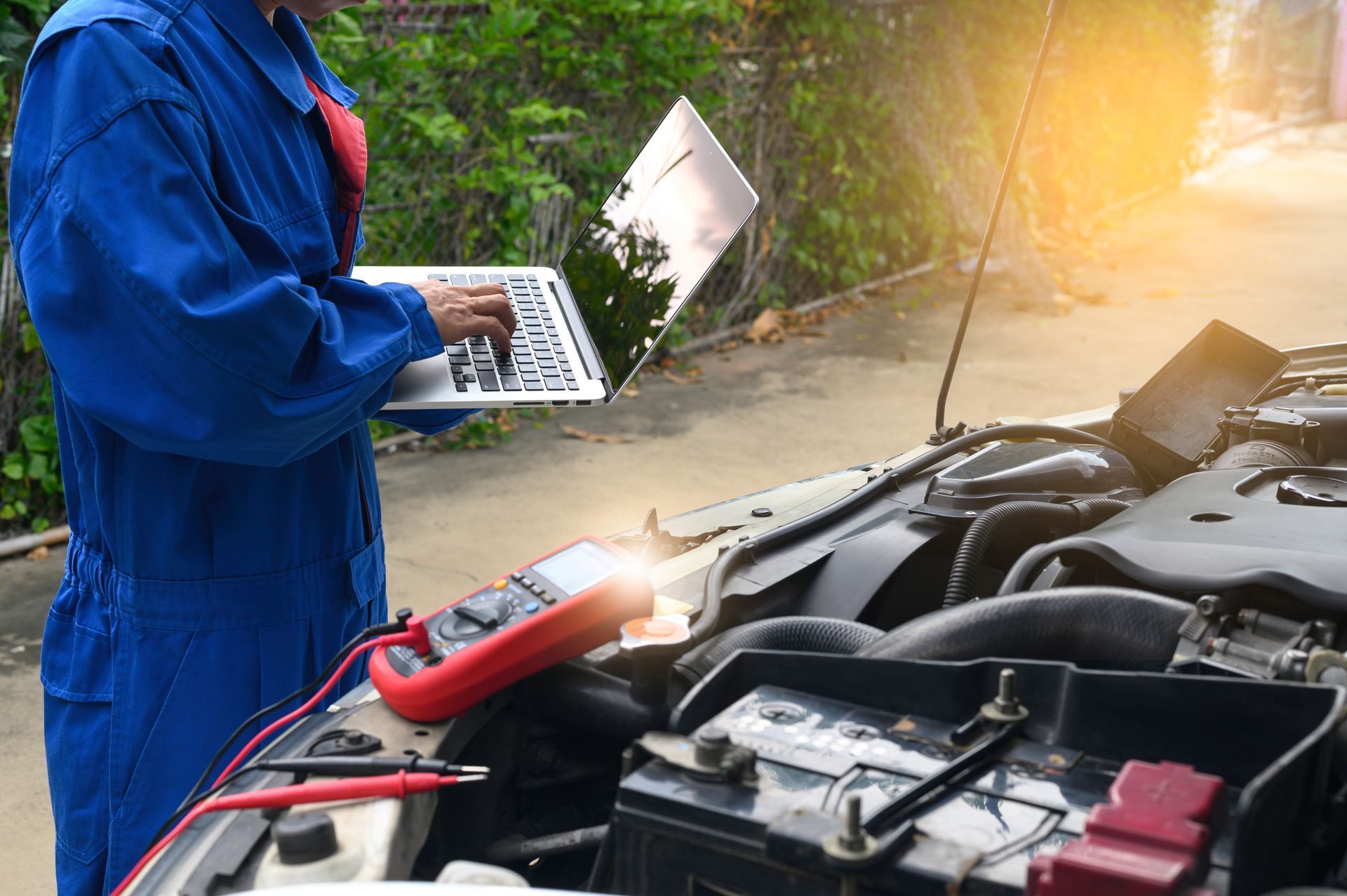
We recommend a pre-purchase inspection for almost any used car, but it becomes especially valuable with a former rental vehicle. A test drive and history report provide useful clues, while a shop inspection gives you a closer look at the systems you cannot easily evaluate in a parking lot.
During an inspection, a technician may check:
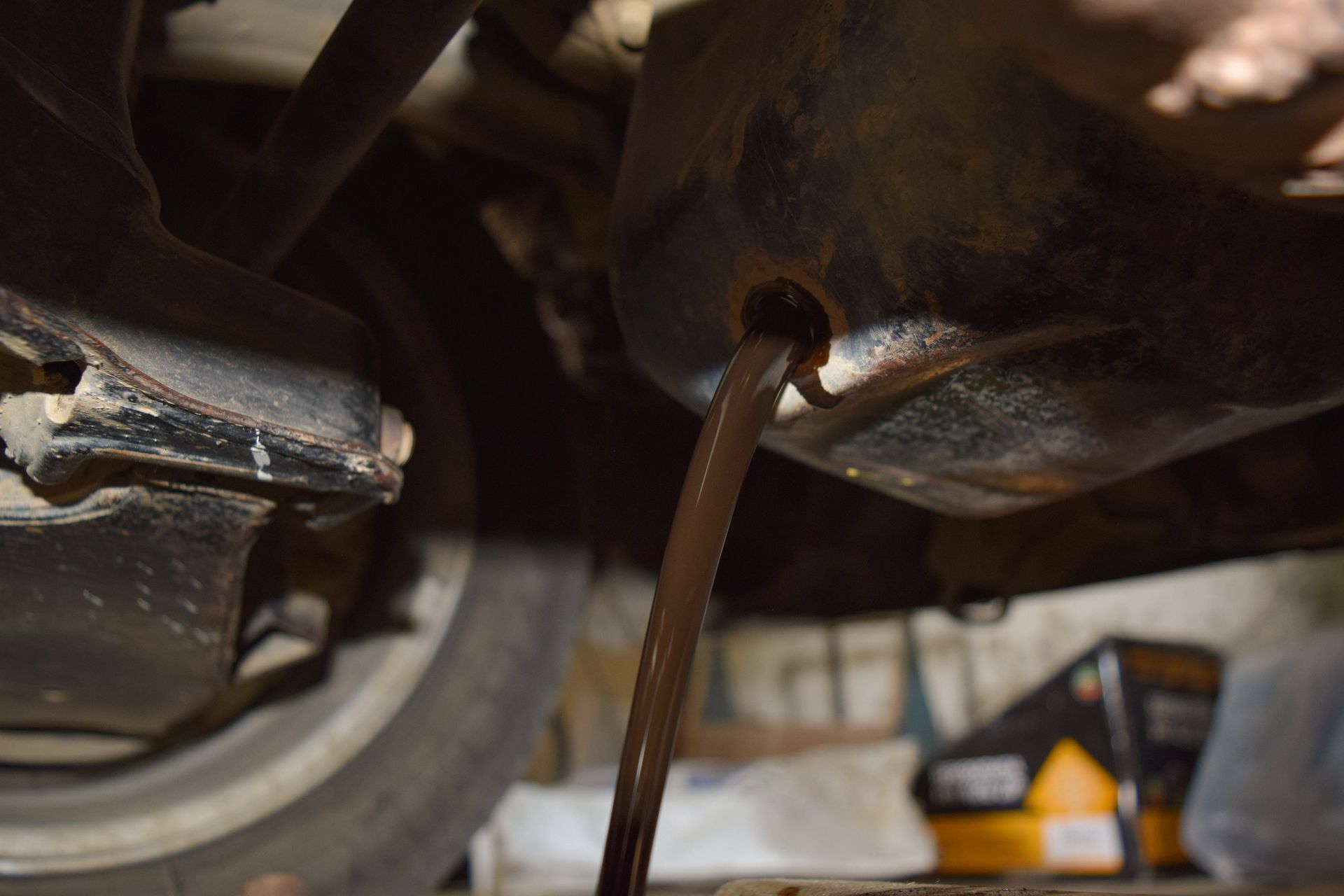
- Fluid levels and condition
- Engine and transmission performance
- Tires, brakes, steering, and suspension
- Fluid leaks and damaged shields
- Battery and charging system health
- Diagnostic trouble codes and monitor status
- Signs of collision or underbody damage
- Air conditioning and electronic features
Scanning the vehicle is important even when no warning lights are currently on. Recently cleared codes or incomplete readiness monitors may suggest that a warning light was reset shortly before the car was listed.
The Price Should Reflect The Rental History
A former rental car should make financial sense after you account for its condition, mileage, equipment, and expected repairs. A lower purchase price may leave room in your budget for tires, brakes, fluid services, or cosmetic improvements.
If the vehicle is priced almost the same as a comparable privately owned car with a strong maintenance history, the rental option may not offer enough value to justify the added uncertainty. On the other hand, a meaningful discount combined with good records and a clean inspection can make it an appealing choice.
Remember to always ask for a written list of any included warranty coverage, return policy, or limited exchange period. Read the terms carefully because fleet sellers and used car dealers may offer very different protections.
So Is An Ex-Rental Car Worth Buying?
A former rental car is not automatically a bargain, and it is not automatically a mechanic’s nightmare. Some are well-maintained vehicles that offer newer features at a lower price. Others have accumulated rough wear, incomplete repairs, or upcoming maintenance costs that make the deal less attractive.
The smartest approach is to ignore the stereotypes and judge the individual car. Review its history, inspect the body and interior, verify the equipment, test every feature, and have an independent technician examine it before you sign anything.
If you are considering an ex-rental car, bring it to
DMR Diesel Repair in Leesburg, FL for a pre-purchase inspection.
Call us today to schedule an inspection before you make your final decision.